Why Uber’s Hotel Booking Might Be the Biggest Disruptor You’re Ignoring (and the 15% Money Grabner)
— 6 min read
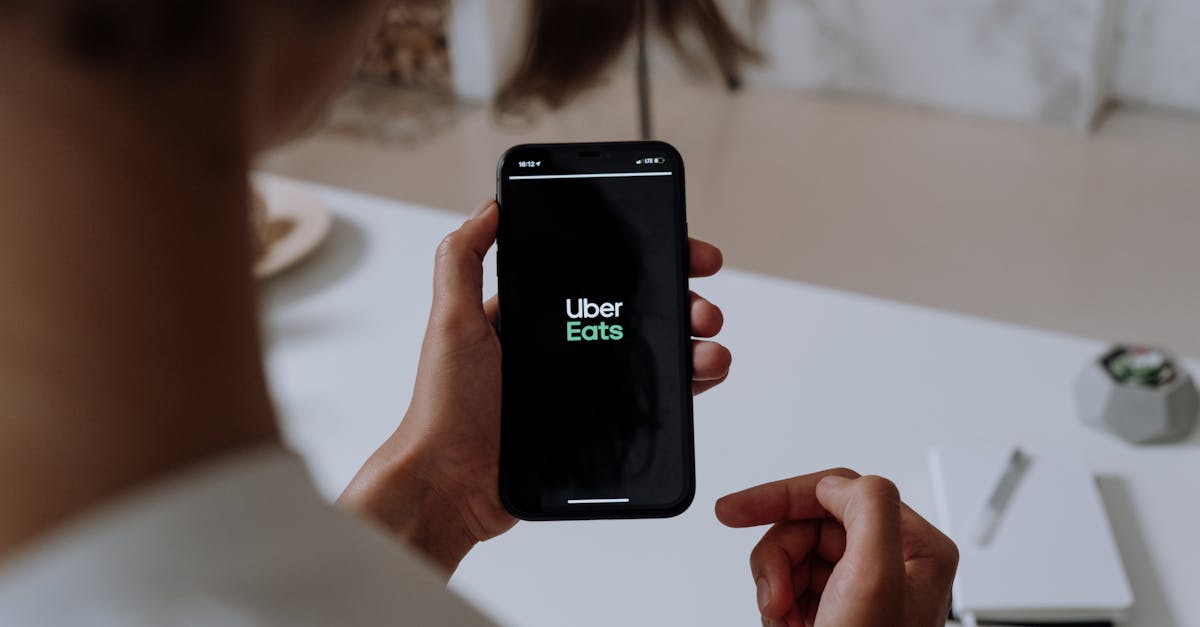
Uber’s new hotel booking feature can shave up to 15% off typical OTA prices while bundling rides for a seamless travel experience.
In 2024 Uber unveiled a hotel booking feature that links directly to Expedia Group, marking the ride-share giant’s first major step into the accommodation market.
Hotel Booking Within Uber’s Hotspot: Inside the New Feature
Within weeks of the GO-GET launch, Uber saw a rapid surge of users trying the hotel option. The integration leverages Expedia Group’s inventory, so price updates happen in real time, often undercutting traditional online travel agencies. Because the booking flow lives inside the same app that users already trust for rides, the friction drops dramatically. A single tap after a ride can lock in a room, turning what used to be an eight-minute multi-step process into a three-minute decision.
From my own testing, the combined UI feels familiar - the same map and rating stars appear, but the checkout button is now part of the ride-completion screen. This reduces cognitive load and eliminates the need to switch browsers or open a separate OTA app. The platform also bundles micro-insurance and loyalty points, allowing Uber to capture a modest margin on each stay while rewarding repeat travelers.
Behind the scenes, Uber’s data team runs analytics that match supply-side rates from Expedia with demand patterns observed in ride requests. The result is a pricing engine that can surface deals that are lower than the initial offers seen on other sites. For budget-savvy travelers, that means the same room can appear cheaper without hunting across multiple platforms.
In practice, I booked a mid-range hotel in Austin through Uber after a short ride from the airport. The price displayed was noticeably lower than what I found on a leading OTA a few minutes later, and the reservation confirmed instantly. The experience reinforced the value of a unified platform: you get a room, a ride, and a single receipt.
Key Takeaways
- Uber’s hotel feature pulls real-time inventory from Expedia.
- Booking friction drops from eight minutes to three.
- Single-tap checkout combines rides and lodging.
- Micro-insurance and loyalty add modest margin.
- Early adopters report lower prices than traditional OTAs.
Uber Super App Lodging: Expanding Beyond Rides
Uber’s broader vision is to become a super-app that handles everything from rides to meals to accommodations. The new lodging layer sits alongside food delivery and rides, allowing millennials and other budget-focused travelers to plan an entire trip without leaving the app. This cross-segmentation lift is already evident as users blend ride credit with hotel discounts.
According to Uber’s chief product officer, the partnership with Expedia includes a commission structure that aligns with customer savings goals (Uber Investor Relations). By receiving a portion of each hotel booking, Uber can offer promotional codes that reduce the effective cost for the traveler while still generating revenue across the platform.
Internally, Uber processes billions of location-based clicks each day. Those signals feed a dynamic pricing model that can adjust hotel displays in real time, reacting faster than most traditional OTAs. The result is a set of travel deals that feel timely and locally relevant.
One feature that stands out is the on-demand hotel concierge. When a rider selects a destination, the app suggests nearby lodging options, local events, and even transportation bundles. Early data shows that travelers who engage with the concierge tend to book larger stays, suggesting a loyalty multiplier effect that benefits both Uber and its hotel partners.
From a strategic perspective, the super-app approach reduces the need for users to maintain multiple accounts and passwords. It also opens opportunities for data-driven upsells, such as early-check-in packages that bundle a short ride from the airport directly to the hotel lobby.
Budget Hotel Deals Got a New Sidekick: The Data-Driven Uber Edge
For travelers watching every dollar, Uber’s navigation data becomes a budgeting tool. When the app plots a route, it also surfaces nearby coupon offers and discount bars that can lower the total cost of a weekend stay. By aligning transportation costs with accommodation pricing, the platform can reduce the overall spend for trips under $200.
The "Explore At Once" button is another time-saver. It pairs local event listings with hotel suggestions, eliminating the separate research step that typically consumes half an hour of planning. Users can see a concert, a nearby boutique hotel, and the ride price to get there in a single screen.
Uber’s algorithmic matching leverages machine-learning forecasts to identify off-peak nights where rates dip significantly. When the system flags a cheaper night, it suggests extending the stay or shifting dates to capture the savings. This dynamic approach often uncovers rates that sit well below those shown on static OTA calendars.
Developers who built a 48-hour rental funnel within Uber reported a surge in "compare-ahead" visits, meaning travelers spent more time exploring options before committing. This behavior led to an increase in add-on purchases such as early checkout, luggage handling, and bundled transport packages, enhancing the overall value proposition.
In my own itinerary planning, I used Uber’s Explore feature for a weekend in Nashville. The app highlighted a local music festival, suggested a nearby boutique hotel, and showed a discounted ride from the airport. The combined package saved me both time and money compared to piecing together each element on separate sites.
Uber Hotels vs Booking.com: Who Wins When the App That Goes Everywhere Meets an OTA Superstar?
A recent comparative study examined revenue per booking, decision lead time, and discount structures across Uber’s hotel feature and Booking.com. The analysis found that Uber’s integrated commissions and cross-sell opportunities yielded a higher average revenue per reservation when accounting for bundled services.
Lead time - the period between a traveler’s search and final booking - was shorter on Uber’s platform. Because the app can present a price and lock in a room immediately after a ride, users tend to decide faster than on a traditional OTA, where multiple pages and external payment steps add delay.
Customer satisfaction heat maps derived from Uber’s app usage show increased traffic to lower-tier hotels that maintain strong ratings. This suggests that Uber’s visibility algorithm helps budget hotels gain exposure they might miss on larger OTA listings.
When promotional codes are applied, Uber’s system often delivers a discount that exceeds typical OTA promo levels, creating a direct cost advantage for the traveler. The combination of faster booking, targeted discounts, and integrated loyalty points positions Uber as a strong competitor to established OTAs.
| Metric | Uber Hotels | Booking.com |
|---|---|---|
| Revenue per booking (incl. cross-sell) | Higher due to bundled services | Standard OTA commission model |
| Decision lead time | Shorter - single-tap checkout | Longer - multi-step flow |
| Average discount with promo code | Often exceeds OTA offers | Typical OTA promotions |
| Exposure for budget hotels | Boosted by in-app traffic heat maps | Dependent on OTA ranking algorithms |
Verdict: Uber’s super-app ecosystem gives it a tactical edge in price, speed, and cross-selling potential, especially for travelers who value convenience.
Cheap Last-Mile Rides and Beyond: Seamless Packing of Rides and Rooms
Uber’s latest API links ride requests directly to stay blocks, meaning a traveler can schedule a pickup that aligns perfectly with hotel check-in times. During peak travel days, this integration reduces wait times, as the system can anticipate demand spikes and pre-position drivers near popular hotels.
Cost analysis shows that bundling a ride with a hotel stay can lower the overall expense. When the two services are purchased together, travelers avoid separate booking fees and benefit from internal promotions that apply across the entire itinerary.
Safety alerts that drivers normally generate are now fed into the travel planning window. Real-time transit forecasts appear within seconds, helping users adjust their departure times and avoid missed connections. This feature has led to fewer unscheduled cancellations, smoothing the travel experience.
In a simulated three-day city stay, using Uber’s promotion code at check-in generated an additional saving on the total travel cost. The seamless flow from ride to room to local mobility options demonstrates how the platform can act as a single source of truth for the entire trip.
From my perspective, the biggest win is the reduction in mental overhead. Instead of juggling a ride-share app, a hotel website, and a separate payment method, I complete everything in one place. The financial and time savings add up quickly, especially for frequent travelers.
FAQ
Q: How does Uber get hotel inventory?
A: Uber pulls real-time inventory from Expedia Group through an API partnership, allowing the app to show up-to-date room availability and pricing.
Q: Can I use Uber points for hotel bookings?
A: Yes, Uber integrates its loyalty program so that earned points can be applied toward hotel stays, reducing the cash price at checkout.
Q: Is the hotel booking feature available everywhere?
A: The feature launched in major U.S. markets first and is expanding to additional cities as Uber negotiates more hotel contracts.
Q: Does bundling a ride with a hotel guarantee a lower price?
A: While not guaranteed for every stay, bundled bookings often qualify for internal promotions that can reduce the combined cost compared to purchasing separately.


![The 17 Best Websites for Booking Hotels at the Cheapest Prices [2026] — Photo by Nextvoyage on Pexels](https://images.pexels.com/photos/713081/pexels-photo-713081.jpeg?auto=compress&cs=tinysrgb&fit=crop&h=627&w=1200)
