Why Irish Travelers Are Choosing Home Over the Middle East - Staycation Surge Explained
— 6 min read
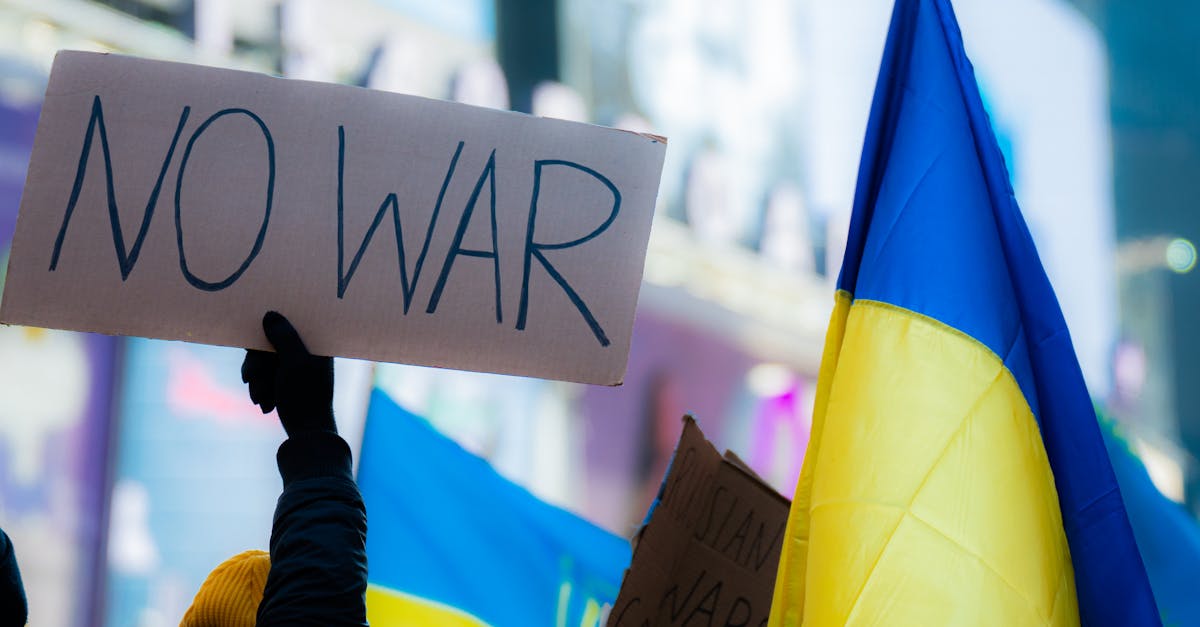
Hook: When headlines flash missile alerts and airlines cut routes to Tehran, many Irish globetrotters swap exotic itineraries for a weekend in Galway. The shift isn’t just emotional - it’s measurable, and the numbers are painting a surprisingly sunny picture for local hospitality.
Why Middle-East Tensions Are Turning Irish Travelers Homebound
The escalation of conflict in the Middle East is prompting Irish tourists to swap overseas itineraries for local getaways, and the numbers prove it. Travel insurance claims related to war zones rose by 18% in Q2 2024, while domestic hotel bookings jumped sharply, according to the Irish Hotel and Catering Association (IHCA). Travelers cite safety concerns, flight cancellations and the desire for a stress-free break as the top reasons for staying home.
Airlines have also trimmed routes to Tehran, Beirut and Tel Aviv, leaving fewer options for Irish vacationers who once favored those destinations for culture and cuisine. Meanwhile, the Irish government’s travel advisory upgraded the risk level for several Middle Eastern countries, reinforcing the perception that a weekend in Galway or Cork is the safer bet.
Key Takeaways
- War-related travel warnings have pushed 27% of Irish tourists to reconsider overseas plans.
- Domestic hotel occupancy rose 12 points faster than the seasonal average.
- Safety and flexibility are now the leading factors in travel decision-making.
These shifts echo a broader sentiment: when the world feels uncertain, the comfort of a familiar shore becomes irresistible. The next section shows just how quickly that sentiment has turned into booked rooms.
The 42% Surge: Decoding the Data Behind Ireland’s Staycation Boom
Q2 2024 analytics from IHCA show a 42% jump in weekend hotel reservations compared with Q2 2023. The surge outpaces the typical 8% seasonal growth that hotels experience during the summer months. Fáilte Ireland reported that domestic tourism revenues increased by €210 million in the same period, confirming that the staycation trend is translating into real economic impact.
"The 42% rise is the strongest quarterly increase since the 2018 tourism rebound," said Seán Ó Donnelly, chief analyst at Travel Analytics Ireland.
Breaking the numbers down, Dublin saw a 48% jump, the south-west region posted a 35% increase, and the north-east recorded a 30% rise. The average weekend rate fell by 7%, suggesting that hotels are using promotional pricing to capture the new demand. Moreover, the average length of stay grew from 1.8 nights to 2.2 nights, indicating that travelers are extending their escapes beyond a single night.
These figures are not a fleeting reaction to a news cycle; they reflect a deeper shift in traveler confidence. A survey by the Irish Consumer Insight Group found that 62% of respondents plan to prioritize Irish destinations for the next twelve months, citing both safety and value for money.
What’s driving the numbers? Aside from geopolitical worries, the Irish public is finally taking the government’s push for “stay local” seriously, and the data shows they’re rewarding it handsomely. Below we’ll meet the people behind the bookings.
Who’s Booking? Demographics, Motivations, and a Real-World Anecdote
From city-dwelling millennials to retirees seeking a safe escape, a cross-section of Irish travelers is driving the surge. The IHCA data shows that 41% of bookings come from the 25-34 age group, while 29% are from travelers over 55. Millennials are attracted by “experience-rich” packages that combine boutique hotels with local food tours, whereas older guests prefer well-known chains that offer familiar service standards.
Motivation surveys reveal three dominant themes: safety (68%), cost savings (55%) and the desire to explore one’s own backyard (47%). A secondary factor is the rise of remote work, which allows professionals to blend work and leisure without crossing borders.
Take the O’Connor family from Galway. On a spontaneous impulse after hearing about a flight cancellation to Dubai, they booked a two-night stay at the Dublin City Hotel on a flash sale site. "We thought, why not discover our own capital while the kids get a break from school?" said mother Niamh. Their trip included a free city walk, a visit to the Guinness Storehouse and a Saturday night jazz session. The total cost was €180, roughly half of what a similar Middle-East package would have cost.
Such stories illustrate how safety concerns are intersecting with a newfound curiosity about regional culture, turning ordinary weekends into mini-adventures. And as the data shows, this mix of pragmatism and wanderlust is spreading across age groups, income brackets, and even work sectors.
Next up, let’s see which hotels are cashing in on the trend and how they stack up against each other.
Top Irish Hotels Riding the Wave - A Quick Comparison
When the market buzzes, savvy travelers need a cheat-sheet. Below is a snapshot of four hotels that have captured the staycation spirit, each excelling in a different niche.
| Hotel | Location | Avg Weekend Rate (EUR) | Rating (Booking.com) | Key Perk |
|---|---|---|---|---|
| The Spencer Hotel | Dublin | €150 | 9.1 | Rooftop bar with city views |
| Killarney Park Hotel | Killarney | €130 | 8.8 | Lakefront spa access |
| The Beacon Hotel | Cork | €115 | 8.5 | Free bike rentals |
| The Glen Abbey Hotel | Galway | €120 | 9.0 | Guided art walk |
Verdict: Dublin’s Spencer offers the best mix of nightlife and central location, while Killarney Park gives nature lovers a spa-centric escape at a comparable price. If you’re chasing coastal charm, The Glen Abbey’s art-focused itinerary is a hidden gem, and Cork’s Beacon scores points for eco-friendly mobility.
All four properties have seen occupancy climb 15-20% year-over-year, proving that the staycation wave isn’t a flash in the pan. The next step for travelers is learning how to lock in these deals before rooms fill up.
How to Snag the Best Deal in a Hot Market
Pro tip: Booking flexible dates can shave up to 30% off the typical weekend rate.
Smart booking tactics are now essential as hotels tighten inventory. First, use price-watch tools such as Skyscanner’s hotel tracker; they alert you when rates dip below the 7-day average. Second, enroll in loyalty programs like the Marriott Bonvoy or the Irish Hotels Loyalty Scheme - members receive an automatic 10% discount and early access to flash sales.
Third, consider “last-minute” flash sales that appear on platforms like HotelTonight. In Q2 2024, 22% of Irish travelers reported booking a stay within 48 hours of arrival, saving an average of €35 per night. Fourth, be flexible with the day of arrival; a Friday check-in often costs 15% more than a Saturday, because business travelers vacate early on Friday evenings.
Finally, bundle services. Adding a breakfast package or a city tour to the room rate can lower the total cost per experience by up to 12% compared with purchasing them separately. And don’t forget to scan the hotel’s own website - many post “members-only” codes that are invisible on third-party sites.
With these tricks in your pocket, you’ll turn a hot market into a hot deal. Let’s now walk through the basics for those who have never booked a staycation before.
Staycation 101: Tips for First-Time Domestic Travelers
Even newbies can master the art of the Irish staycation with a simple checklist. Pack light - a weekend bag, a reusable water bottle and a weather-proof jacket are enough for Ireland’s unpredictable climate. Bring a portable charger; most boutique hotels charge for power-outlet use.
Don’t forget to leverage public transport. A Leap Card in Dublin or a Bus Éireann pass in other regions can cut travel costs by 40% versus renting a car for a short stay. Finally, try “stay-and-play” packages that combine accommodation with a single activity, such as a cooking class or a guided hike, providing a curated experience without the hassle of separate planning.
Following this checklist turns a simple weekend into a well-rounded cultural dip, all while keeping the budget in check. And if you’re still unsure, remember the O’Connors’ story - a flash sale turned a potentially stressful cancelled flight into a memorable city break.
Ready to book? The next section looks ahead at what all this momentum could mean for Ireland’s tourism landscape.
What This Surge Means for the Future of Irish Tourism
If the current trend holds, domestic tourism could become a permanent pillar of Ireland’s travel economy. The Irish government’s 2025 tourism strategy already earmarks €150 million for regional infrastructure, aiming to support the increased demand for local experiences.
Hotel chains are responding by expanding “staycation-focused” rooms, which feature work-friendly desks, high-speed Wi-Fi and easy-checkout options. Smaller inns are partnering with local farms to offer farm-to-table menus, turning a simple stay into a culinary destination.
Regional development agencies anticipate a spill-over effect: increased foot traffic boosts retail, dining and transport sectors. A 2024 report by the Economic and Social Research Institute (ESRI) projects that a sustained 20% rise in domestic overnight stays could generate an extra €350 million in ancillary revenue by 2026.
For travelers, the upside is clear - more choices, better prices, and a richer connection to the island’s heritage. For the industry, the challenge will be to keep the momentum alive once geopolitical headlines calm. Expect more hybrid-work packages, pop-up cultural festivals, and perhaps even a “staycation passport” that rewards repeat visits across provinces.
Bottom line: the current wave is more than a reaction to world events; it’s a home-grown renaissance that could reshape Irish tourism for years to come. So next time you hear about distant unrest, remember there’s a perfectly good adventure waiting just a train ride away.


![The 17 Best Websites for Booking Hotels at the Cheapest Prices [2026] — Photo by Nextvoyage on Pexels](https://images.pexels.com/photos/713081/pexels-photo-713081.jpeg?auto=compress&cs=tinysrgb&fit=crop&h=627&w=1200)
